
Cat and Dog Vaccinations in North Charleston, SC for Everyday Protection
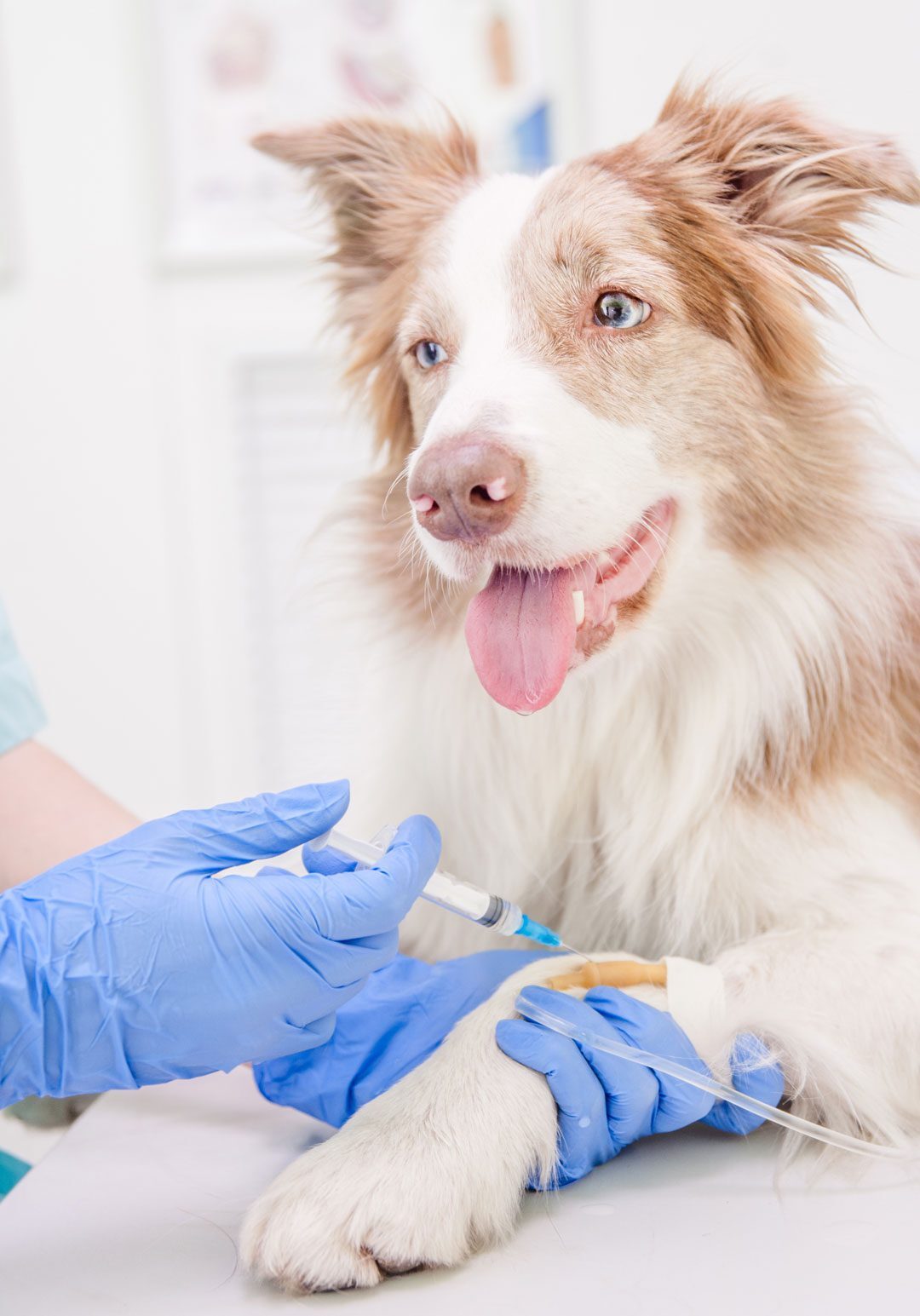
Your pet explores the world with their nose, paws, and mouth. That curiosity is part of what makes them so lovable, but it can also expose them to viruses, bacteria, and contagious diseases they cannot avoid on their own.
At Charleston Heights Veterinary Clinic, we provide cat and dog vaccinations based on your pet’s age, lifestyle, health history, and risk of exposure on their adventures around North Charleston. Our team will help you understand which vaccines your dog or cat needs, when they are due, and how each vaccine supports long-term protection.
To schedule your pet’s vaccine appointment, call (843) 554-4361 or request an appointment online.
Why Do Pets Need Vaccines?
Vaccines help prepare your pet’s immune system to recognize and fight certain infectious diseases. Some diseases can spread through wildlife, other pets, shared environments, standing water, boarding facilities, grooming salons, dog parks, or even brief outdoor exposure.
Vaccination helps protect your pet from serious health issues such as:
-

Rabies: A fatal viral disease that can affect mammals, including pets and people.
-
Canine Distemper: A contagious viral disease that can affect the respiratory, digestive, and nervous systems.
-
Parvovirus: A serious and often life-threatening illness in dogs that can cause severe vomiting, diarrhea, dehydration, and weakness.
-
Leptospirosis: A bacterial disease spread through contaminated water or soil that can affect the kidneys and liver and infect people.
-
Hepatitis: A viral disease in dogs that can affect the liver and other organs.
-
Canine Influenza: A contagious respiratory illness that can spread where dogs gather.
-
Bordatella-parainfluenza: Respiratory infections often associated with coughing and exposure to other dogs.
-
Lyme Disease: Capable of causing joint pain, fever, and chronic illness, Lyme disease is transmitted by black-legged ticks.
-
Feline viral rhinotracheitis: A contagious virus that causes respiratory and eye symptoms.
-
Calicivirus: A contagious virus that causes respiratory symptoms and mouth sores.
-
Panleukopenia: A highly contagious and dangerous feline virus that causes severe digestive illness and weakens immunity.
-
Feline leukemia: A viral disease that can weaken a cat’s immune system and increase the risk of other health problems.
Recommended Cat and Dog Vaccinations
At Charleston Heights Veterinary Clinic, we offer core and lifestyle-based vaccines. Core vaccines are recommended for most pets because they protect against diseases with serious health risks. Lifestyle vaccines are recommended based on your pet’s exposure risk.
Dogs
- Rabies vaccine (core)
- DHLPC* (core)
- Leptospirosis (strongly recommended)
- Bordetella-parainfluenza (non-core)
- Canine influenza bivalent vaccine (non-core)
- Lyme vaccine (non-core)
*DHLPC protects against Distemper, Hepatitis, Leptospirosis, Parvovirus, and Coronavirus.
Cats
- Rabies vaccine (core)
- FVRCP** (core)
- Feline leukemia (non-core)
**FVRCP protects against Feline Viral Rhinotracheitis, Calicivirus, and Panleukopenia.
How Do We Choose the Right Vaccine Plan for Your Pet?
No two pets have the exact same daily routine. A dog who visits boarding facilities may need different protection than a cat who stays indoors. A puppy or kitten also needs a different vaccine schedule than an adult or senior pet.
During your pet’s wellness exam, our veterinarians will consider:
-
Age, breed, size and weight
-
Medical and vaccine history
-
Travel habits
-
Outdoor exposure
-
Boarding, grooming, daycare, or training
-
Contact with other animals
-
Local disease risks
-
Lifestyle changes over time
Your pet’s vaccine plan can change as they age. Our team will help you stay on schedule and adjust recommendations when your pet’s health, environment, or routine changes.
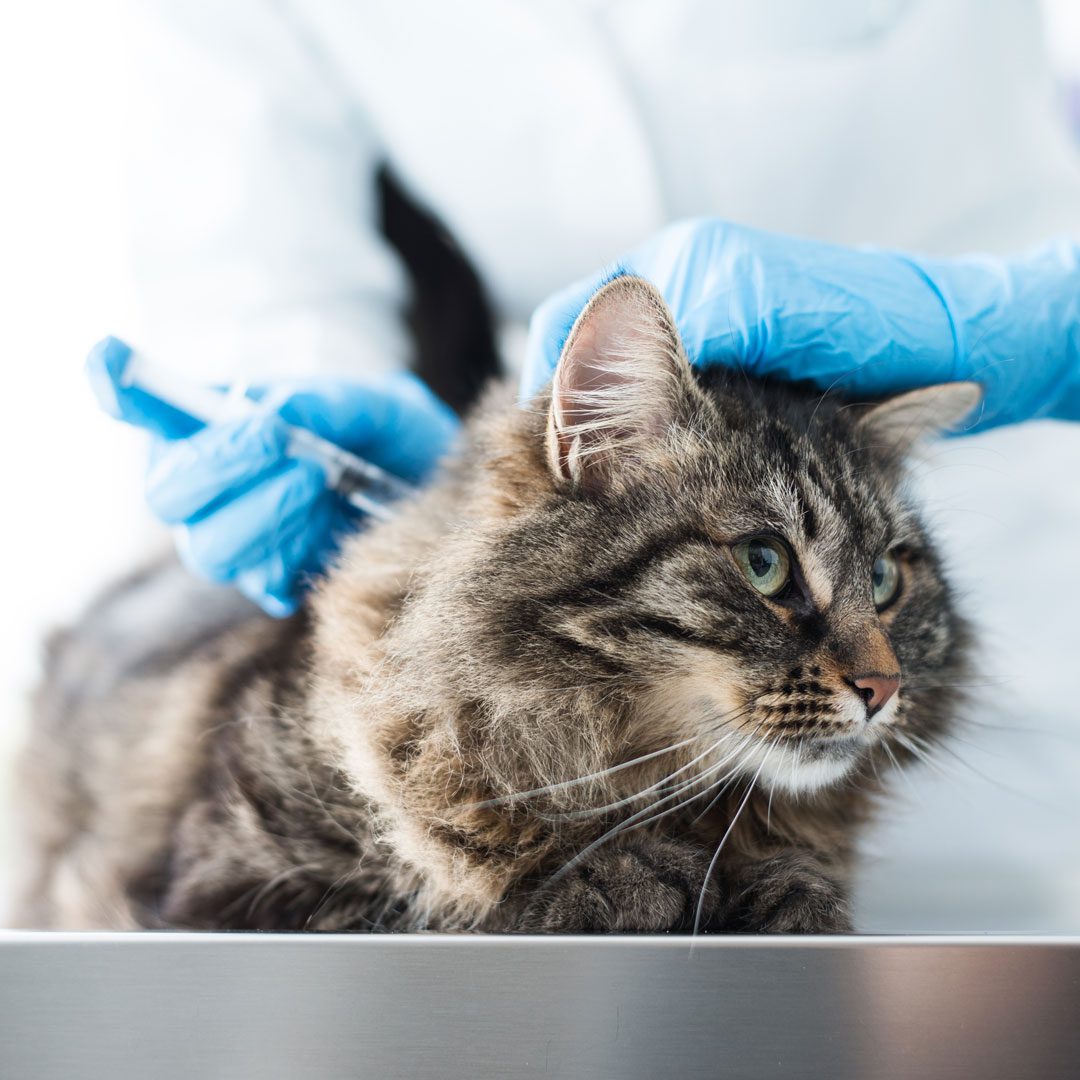
What Should I Expect After My Pet Has Been Vaccinated?
Most pets do well after vaccines and return to their normal routine quickly. Mild sleepiness, slight soreness at the injection site, or a lower appetite can happen for a short time after vaccination.
You should call our team if your pet develops vomiting, facial swelling, hives, trouble breathing, extreme weakness, collapse, or symptoms that seem severe or unusual. These reactions are uncommon, but they need prompt veterinary attention.
After your pet’s vaccine appointment, we’ll let you know when their next booster or wellness visit is due. If your pet has had a previous vaccine reaction, please tell us before their appointment so we can plan with extra care.
Call (843) 554-4361 or request an appointment online to schedule cat and dog vaccinations.