Cat and Dog Surgery in North Charleston, SC with Careful Hands
Is it time to schedule your pet’s spay or neuter? Has your veterinarian recommended they have exploratory surgery to investigate a problem? Whatever the reason, cat and dog surgery requires careful planning and discussion.
At Charleston Heights Veterinary Clinic in North Charleston, we’ll do all of that and more to prepare you and your loved one for their surgical procedure. You may have plenty of questions pertaining to the surgery itself and your pet’s safety. We’re more than happy to answer your questions and provide you with all the information you need to make a definite decision.
Call (843) 554-4361 or request an appointment online to talk with our veterinary team about your pet’s upcoming surgery.
Surgeries We Offer for Dogs and Cats
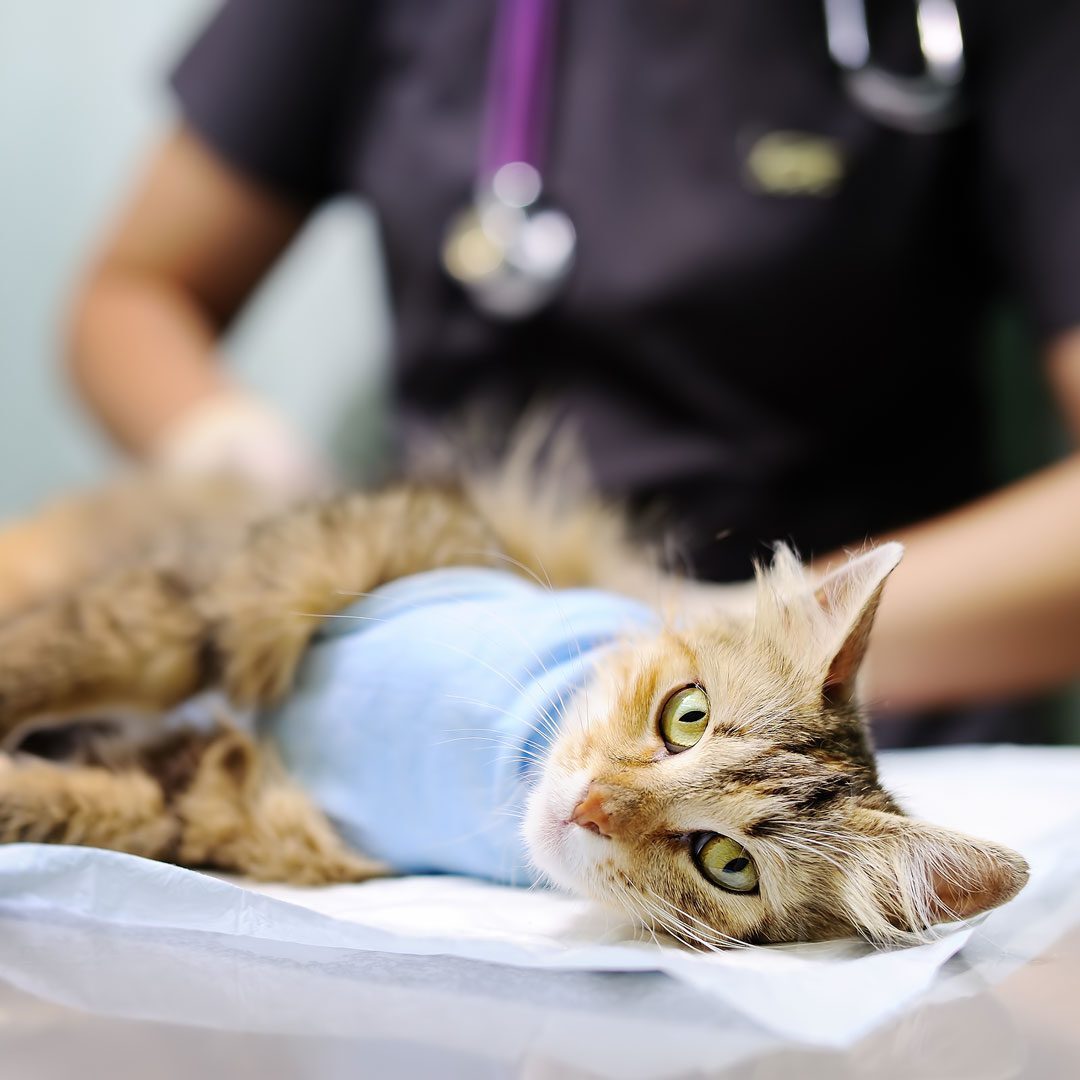
Charleston Heights Veterinary Clinic performs a variety of cat and dog surgeries, including preventive procedures, soft tissue surgery, and dental-related procedures.
-
Laser declawing for cats under 10 pounds
-
Exploratory surgery
-
Cystotomy
-
Tumor excision
-
Wound debridement & suturing
-
Hematoma repair
-
Dental extractions
Laser Surgery Options for Pets
Charleston Heights Veterinary Clinic offers laser surgery as an option for declawing, spaying, neutering, and select soft tissue procedures. Laser surgery uses a focused beam of light to cut tissue while sealing small blood vessels and nerve endings as it works.
For some pets, laser surgery may offer benefits such as:
-
Less bleeding
-
Less swelling
-
Less discomfort
-
Reduced risk of infection
-
A smoother recovery process
What Should I Expect During My Pet's Recovery?
After surgery, your pet will recover at our North Charleston animal hospital until they are awake, stable, and ready to go home later in the day. When you arrive for pickup, our team will review home care instructions and explain what to watch for.
At home, your pet will need a quiet place to rest. Activity restriction is important, even if your pet seems ready to play sooner than expected. Running, jumping, rough play, stairs, and excessive movement can slow healing or irritate the incision.
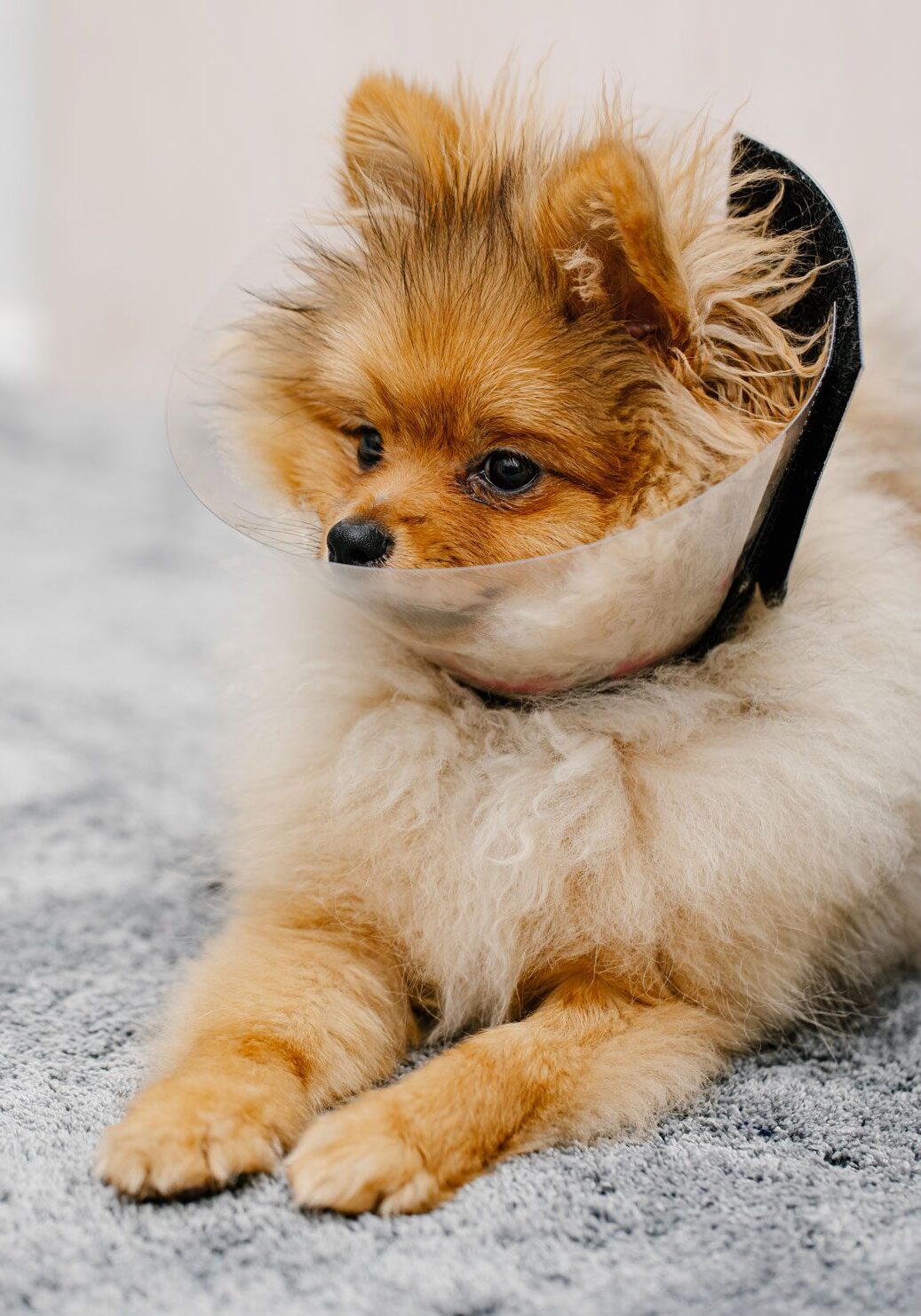
You may need to use an Elizabethan collar or another protective device to prevent licking, chewing, or scratching at the surgical site. Our team will show you how to use it and explain how long your pet should wear it.
During recovery, call us if you notice:
-
Redness, swelling, bleeding, or discharge from the incision
-
An incision that opens
-
Vomiting, diarrhea, or refusal to eat
-
Severe tiredness or weakness
-
Signs of pain
-
Trouble breathing
-
Licking or chewing that you cannot control
-
Any change that worries you
Our knowledgeable and compassionate veterinary staff here in North Charleston go the extra mile to make pet surgery as safe as possible. We’re happy to offer assistance if you have any questions during your pet’s recovery at home.
If your pet needs surgery, call (843) 554-4361 or request an appointment online.